Can You Get a BAS Job With No Experience?
Yes. But not the way most people try to do it.
Building automation is a technical field. You can't walk onto a job site, tell a controls contractor you're a fast learner, and expect an offer. What you can do is get the right training - and get there faster than you think.

Here's the honest path from zero to employed in BAS.
Why No Experience Isn't the Problem You Think It Is
The building automation industry has a talent shortage. Not a talent surplus. Employers aren't swimming in qualified candidates — they're competing for a pool that isn't big enough to meet demand.
The firms hiring in this space — controls contractors, building owners, systems integrators — will train the right person. What they won't do is train someone from absolute zero. You need to show up with enough foundation that a senior technician can actually get you productive on a job site within a few months, not a year.
That's the gap most people miss. It's not "no experience wanted." It's "no industry experience required — but you need real skills."
What "No Experience Required" Actually Means in BAS
Entry-level BAS roles expect some familiarity with HVAC or electrical systems, basic networking or IT knowledge, EPA 608 certification (or willingness to obtain it), the ability to read schematics, and willingness to learn Niagara or similar platforms.
None of these require a degree. None require years on the job. They require training — the kind of structured, hands-on training that teaches you the actual systems before you're on a real job site.
The difference between a candidate who gets hired and one who doesn't isn't experience. It's preparation.
The Fastest Way to Get Prepared
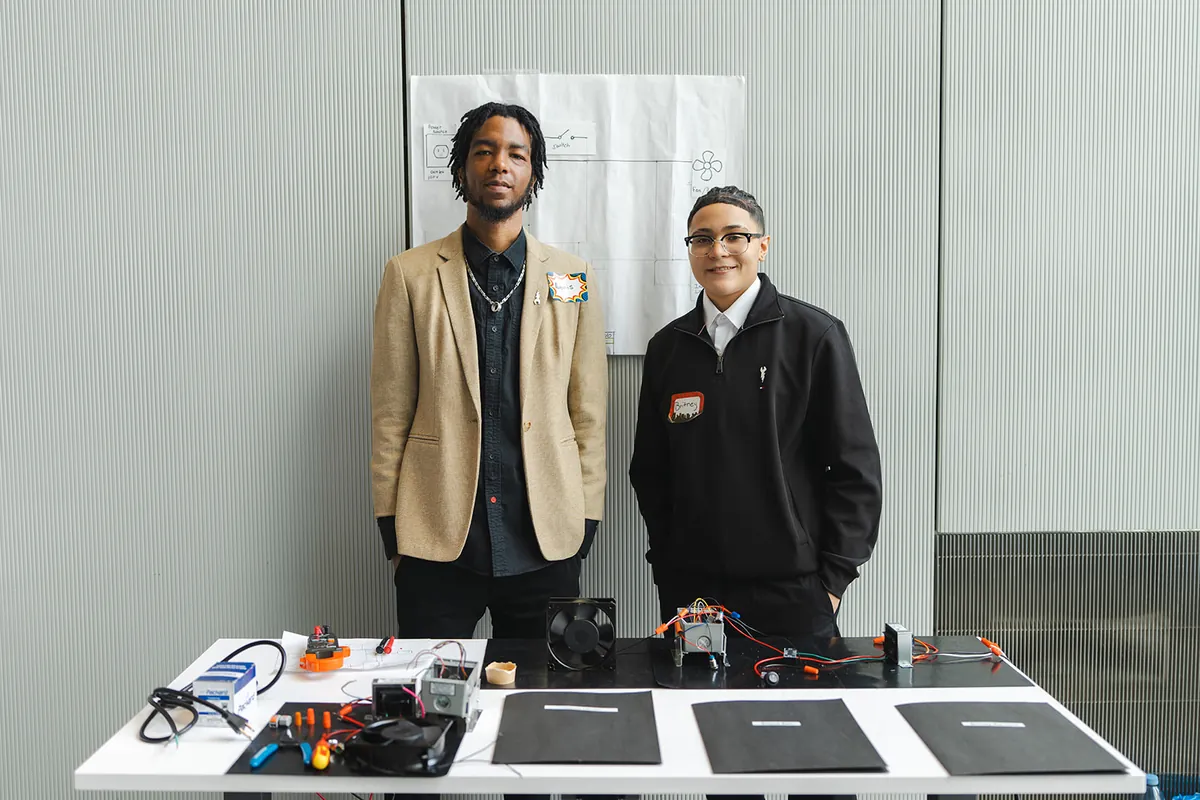
Stacks+Joules runs a 14-week, free BAS training program in New York City in partnership with Henry Street Settlement. It's built specifically for people with no prior building automation background.
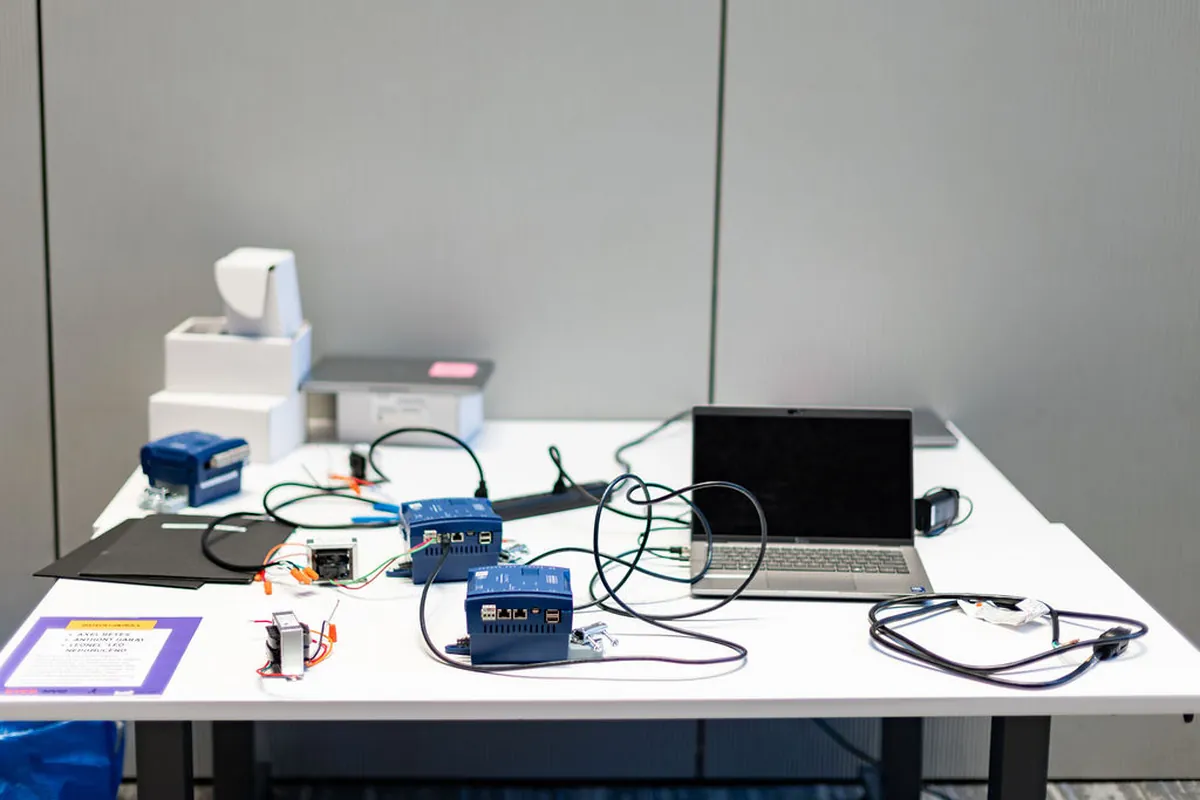
What you come out with: EPA 608 certification (required for handling refrigerants; most BAS roles expect it), LCA EE101 (intro to lighting controls), Niagara N4 preparation (the dominant platform in commercial building automation), hands-on work with real controllers, sensors, and building management systems, and real troubleshooting on live systems — not simulations.
This isn't a certification mill. The program was built with employers. The curriculum covers what contractors actually need on day one — wiring, controls logic, HVAC principles, network basics, and how to document your work.
What Happens After Training
Completing a credible training program opens three doors that raw inexperience doesn't.
Paid internships: Stacks+Joules places graduates directly into paid internships with BAS employers in the NYC metro. Interns move through a defined progression from supervised tasks to independent projects. Most are 80% billable within 6 months.
Faster ROI for employers: A typical hire with no training takes 18–24 months to reach full productivity. A Stacks+Joules graduate gets there in under a year. That matters to the people making the hiring decision.
Retention: 92% of Stacks+Joules graduates are still with their employer after the first year. High retention in a field with high turnover makes programs like this worth paying attention to.
The Jobs That Hire at Entry Level
These roles are realistic targets for someone who completes a quality BAS training program with no prior experience:
Controls Installer — Field installation and wiring of control devices. Physical work, job site exposure, immediate use of hands-on skills from training.
BAS Technician (Junior) — Installing and maintaining building control systems under supervision. Common first title for program graduates.
Junior Programmer / Commissioning Support — Assisting with Niagara or similar platform programming and commissioning. Often the path for people who show strong aptitude in the software side during training.
Starting salaries for these roles in NYC run from around $27/hour at entry. With a year of experience and strong performance, movement into senior technician and commissioning roles — which pay significantly more — is fast by most industry standards.
What to Do Right Now
If you're in NYC, ages 18–24, and you're serious about this: apply to the Stacks+Joules program. It's free. It includes paid internship placement. And it's built specifically for people in your position.
The industry is hiring. The barrier to entry is real training — not years of experience.
Apply at www.henrystreet.org/bast. Program is free. Ages 18–24.