How to Get Into Building Automation in NYC
Building automation is one of the best career moves you can make in New York City right now. The industry is growing fast, employers are hiring, and the jobs pay well - starting salaries typically land between $58,000 and $70,000 a year, with room to move up quickly.
What Is Building Automation?
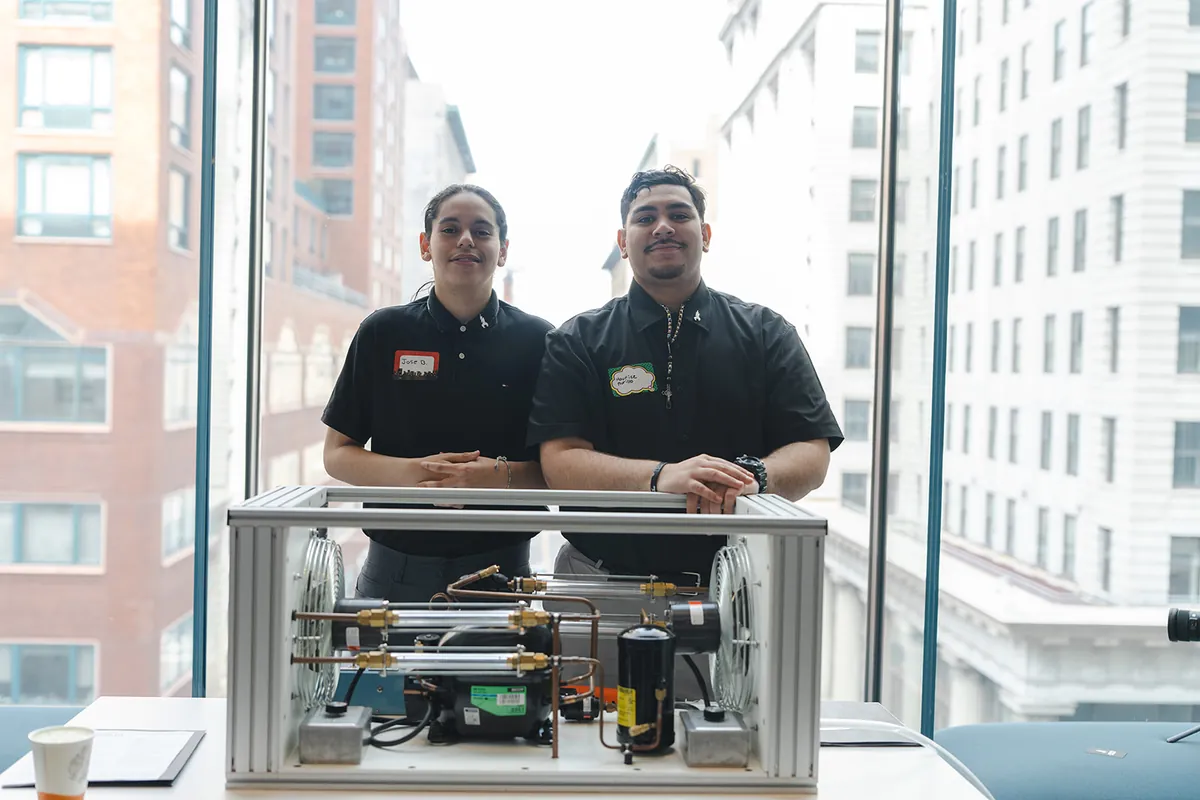
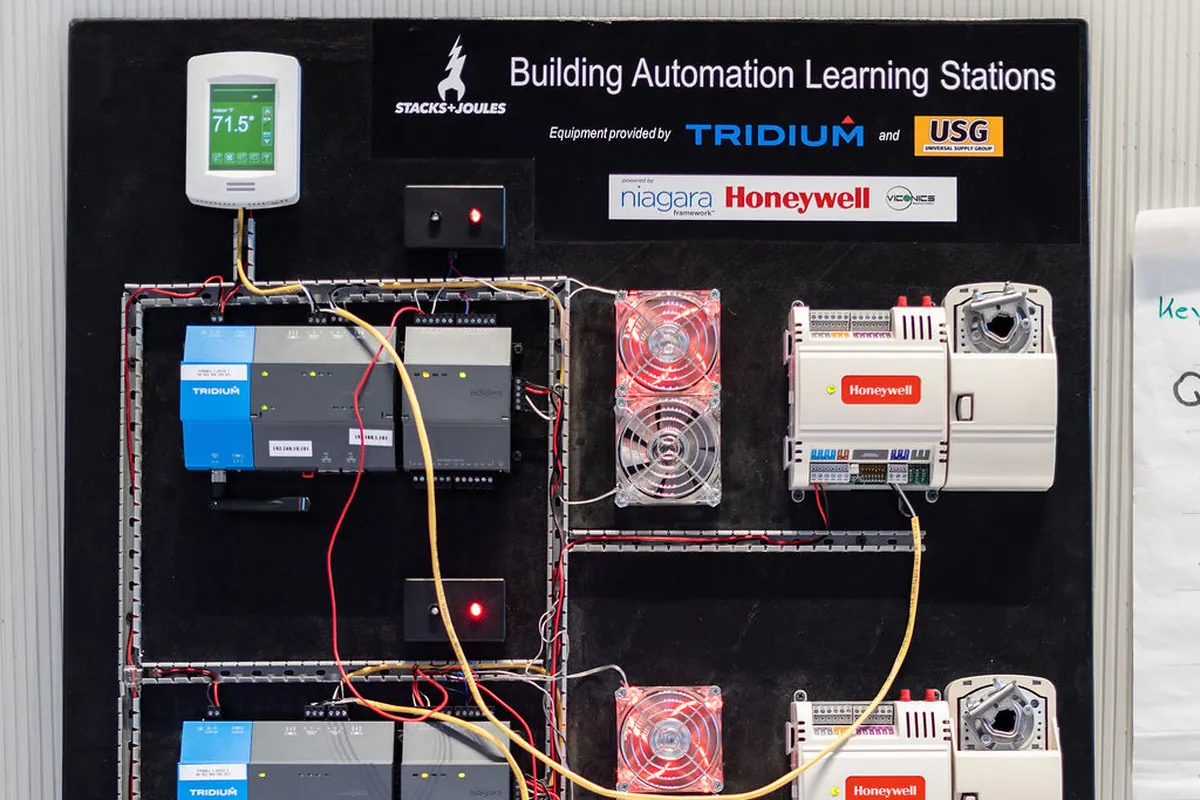
Modern buildings don't run themselves - they're managed by systems that control HVAC, lighting, air quality, and energy use. Building automation professionals install, program, and maintain those systems. NYC has nearly 1 million buildings. As the city pushes toward carbon neutrality by 2050 under Local Law 97, owners are scrambling to upgrade their systems - and they need qualified people to do it. That gap is your opportunity.
What Skills Do You Actually Need?
You don't need a four-year degree. In NYC, the employers hiring entry-level BAS technicians want people who understand lighting controls, HVAC fundamentals, low-voltage wiring, controls logic, networking and IT basics, and integration software like Niagara N4.
Certifications that open doors fastest: EPA 608, LCA EE101, and Niagara N4 certification.
The Fastest Path In: Stacks+Joules
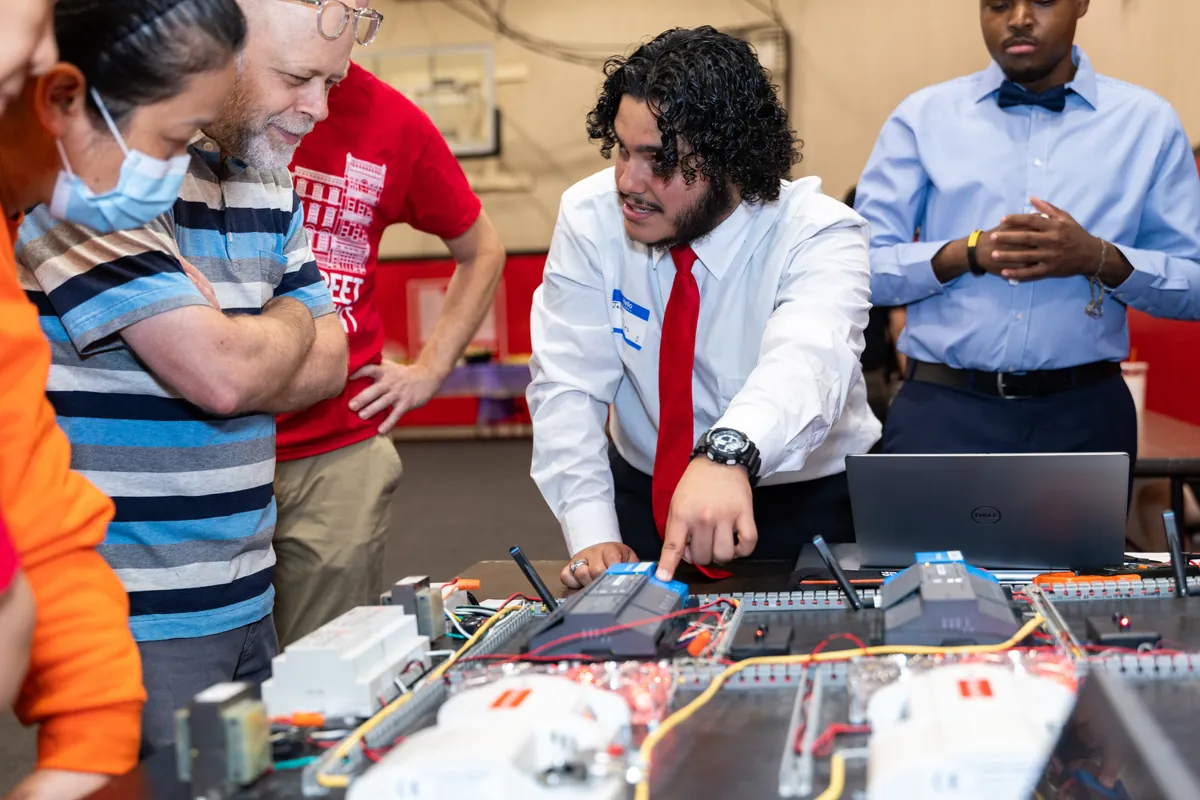
The fastest on-ramp for New Yorkers with no prior BAS experience is Stacks+Joules - a nonprofit workforce development program that runs in partnership with Henry Street Settlement on the Lower East Side. The program is free, 14 weeks, and built around one goal: getting you a job.
After training: onboarding placement with a partner employer. 92% of Stacks+Joules graduates are still with their employer a year after starting. The program is for New Yorkers ages 18–24. No prior experience required.
What the Job Actually Looks Like
BAS Technician: Install, troubleshoot, and maintain building control systems in the field. Starting pay around $27/hour.
Controls Installer: Field installation and wiring of control devices. A common first step for people from trades backgrounds.
Junior Programmer: Supporting system programming and commissioning, often working alongside senior engineers.


What NYC Employers Are Looking For
Firms like TEC Systems, Bosch/Climatec, DB Engineering, Durst Corporation, RXR Realty, and McKenney's are actively hiring in the NYC metro. They want someone who can show up to a job site and get to work, has EPA 608 certification, basic Niagara N4 exposure, and good documentation habits.
One thing they say repeatedly: the talent pool is too shallow. If you have the certifications and real hands-on training, you're not competing against a crowded field.
The Honest Version
Building automation is not a shortcut. It's a skill. But the training exists. It's free. It leads directly to paid work. And the industry needs people badly enough that a motivated person who completes a serious program can go from zero to employed in under six months.